
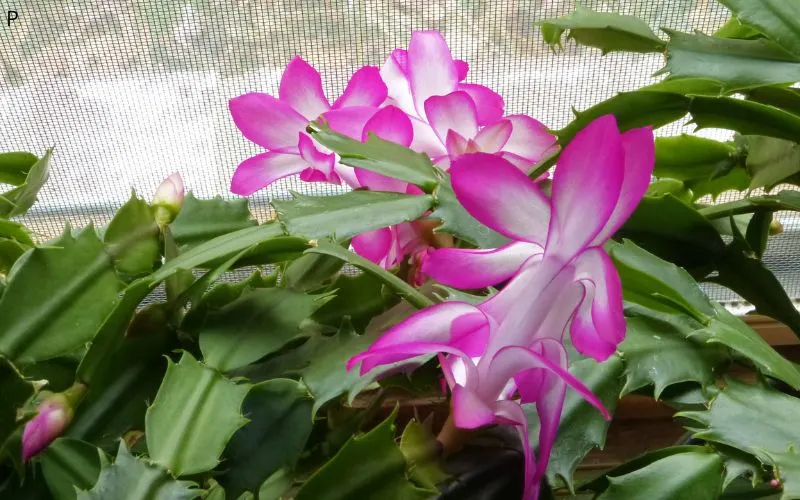
If you’ve ever seen a Christmas cactus blooming bright pinks and reds during the holiday season, you know it’s one of those christmas-flowering houseplants that feels almost magical. I’ve grown plenty of these myself and sometimes they flourish with a festive flowering display, other times they sulk and refuse to show a single bloom. Over time, I’ve figured out the essentials of Christmas cactus care, what this plant truly prefers to thrive and bloom. And I’ll walk you through it step by step so you don’t end up with a bare pot during the festive season.
Choosing the Right Christmas Cactus
Not all christmas cacti are the same. There are three closely related species Christmas, Thanksgiving, and Easter cactus. The true holiday cactus (Schlumbergera × buckleyi) blooms in December, and that’s the one most people mean when they ask about christmas cactus care.
- Look for plants with healthy leaf-like stems (called cladodes).
- Avoid ones with shriveled edges or mushy spots.
- If you’re after an enormous Christmas cactus, start with a plant that already has multiple branching stems.
When I pick the right Christmas cactus, I usually go for one with lots of buds forming in late fall. That way, I know I’ll get color by December.
Where a Christmas Cactus Prefers to Live
Think tropical forest, not desert. Even though it’s a succulent, this isn’t a desert cactus. It grows on trees in the Brazilian rainforest, where it gets shade and steady moisture.
Here’s what works best:
- Light: Bright but indirect sunlight. Direct rays scorch the leaf-like stems.
- Temperature: Cool autumn nights (around 55–60°F) trigger flower buds.
- Humidity: Higher humidity than most houseplants. I sometimes set mine on a pebble tray.
Soil and Compost
Don’t use heavy potting soil. A standard cactus compost mixed with peat-free organic matter works better. I often mix:
- 2 parts cactus soil
- 1 part leafmould (or well-rotted compost)
- A handful of perlite for drainage
This mimics the airy, loose material these plants grow in naturally.
Watering Schedule
Watering makes or breaks your plant. Too much, and roots rot. Too little, and you won’t see flowers.
- Keep the soil slightly damp in the autumn and winter months when buds are forming.
- Let the top inch dry before watering again.
- Reduce water after flowering, then pick back up in late summer.
I’ve noticed that consistent moisture , not soggy, not bone dry is the secret to strong flowering.
Feeding for Blooms
A weak liquid fertilizer every 2–3 weeks during the growing season works. Stop feeding in September so the plant can set buds.
Tips Christmas cactuses that I always remind people of:
- Too much nitrogen = more leaf growth, fewer flowers.
- A bloom-boosting fertilizer (higher in potassium) encourages better flowers.
Triggering Blooms for the Holiday Season
This part’s tricky but rewarding. To get that festive flowering display:
- Give your cactus 12–14 hours of darkness each night starting in late September.
- Drop the night temperature to 55–60°F.
- Limit watering slightly until you see flower buds.
Once buds appear, don’t move the pot. Shifting even a few feet can make the plant drop buds. I learned this the hard way one year when I moved my cactus closer to the window for “more light” I lost half the flowers.
Common Christmas Cactus Diseases and How to Fix Them
Even the healthiest christmas cacti can get sick. I’ve had mine rot overnight after one heavy-handed watering. The good news? Most problems can be caught early and turned around.
1. Root Rot
Cause: Overwatering or heavy soil that doesn’t drain.
Signs: Stems turn mushy at the base, plant collapses, roots look black and slimy.
Fix:
- Pull the plant from the pot and cut off all mushy roots.
- Replant in fresh, airy soil (mix of standard cactus compost, perlite, and leafmould).
- Water lightly until new growth appears.
Once you’ve seen root rot, you’ll never forget it, it smells foul and the plant feels soggy.
2. Stem or Leaf Rot
Cause: Fungal infections (like Fusarium) thrive in damp conditions.
Signs: Brown, sunken spots on the leaf-like stems, sometimes spreading quickly.
Fix:
- Snip off infected segments with sterilized scissors.
- Allow the wound to dry before watering again.
- Improve air circulation around the plant.
3. Botrytis (Gray Mold)
Signs: Gray fuzzy mold on buds, flowers, or stems.
Fix:
- Remove all infected parts right away.
- Increase air flow and avoid misting directly on the plant.
- If it’s bad, use a fungicide labeled safe for houseplants (I stick with mild ones approved by university extensions).
4. Phyllosticta Pad Spot (Fungal Leaf Spot)
Cause: A common fungal issue in holiday cactus kept too wet.
Signs: Tiny circular tan or brown spots on stems.
Fix:
- Cut off the affected stems.
- Repot into drier soil if needed.
- Water less frequently until the plant recovers.
5. Pest-Related Disease Stress
While not diseases themselves, pests like mealybugs and spider mites can weaken the cactus and invite rot.
- Mealybugs: Look like white cotton patches. Dab with alcohol on a cotton swab.
- Spider mites: Fine webbing on leaf-like stems. Wash the plant and keep humidity higher.
How I Keep My Christmas Cactus Disease-Free
- Always use clean pots and tools.
- Don’t let water sit in saucers.
- Give the plant airflow but no drafts.
- Quarantine new houseplants before setting them near your christmas cactus.
- If in doubt, cut and restart. These succulent stems root easily, and sometimes starting fresh is the best cure.
Why Christmas Cactus Makes the Perfect Gift
This plant isn’t just another special plant, it’s a popular gift plant that keeps giving for decades. Some families even pass down christmas cacti through generations. Its evergreen stems and splash of winter color make it a living piece of the festive season.
I like gifting them in December because they’re low-maintenance, long-lasting, and always brighten up the dark winter months.
Christmas Cactus Care—a Step-by-Step Recap
If I had to sum up christmas cactus care in a short checklist, here’s what I’d tell a neighbor who just got one:
- Pick the right Christmas cactus variety.
- Use airy soil with standard cactus compost and leafmould.
- Water when the top inch feels dry.
- Keep it in bright, indirect light.
- Feed lightly until September.
- Cool temps + long nights in autumn encourage flowering.
- Don’t move the plant once buds appear.
Follow this, and you’ll enjoy reliable blooms year after year. Red more about general plant care tips here.
Trusted Resources
Here are some trusted resources:
- Royal Horticultural Society – excellent care guides on houseplants and holiday cactus.
- University of Minnesota Extension – practical info on succulent and cactus care.
- Missouri Botanical Garden – plant profiles with reliable cultural notes.